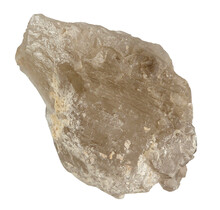

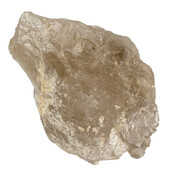
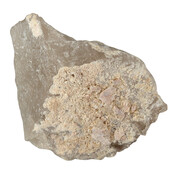
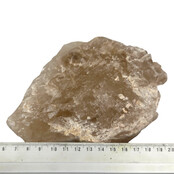
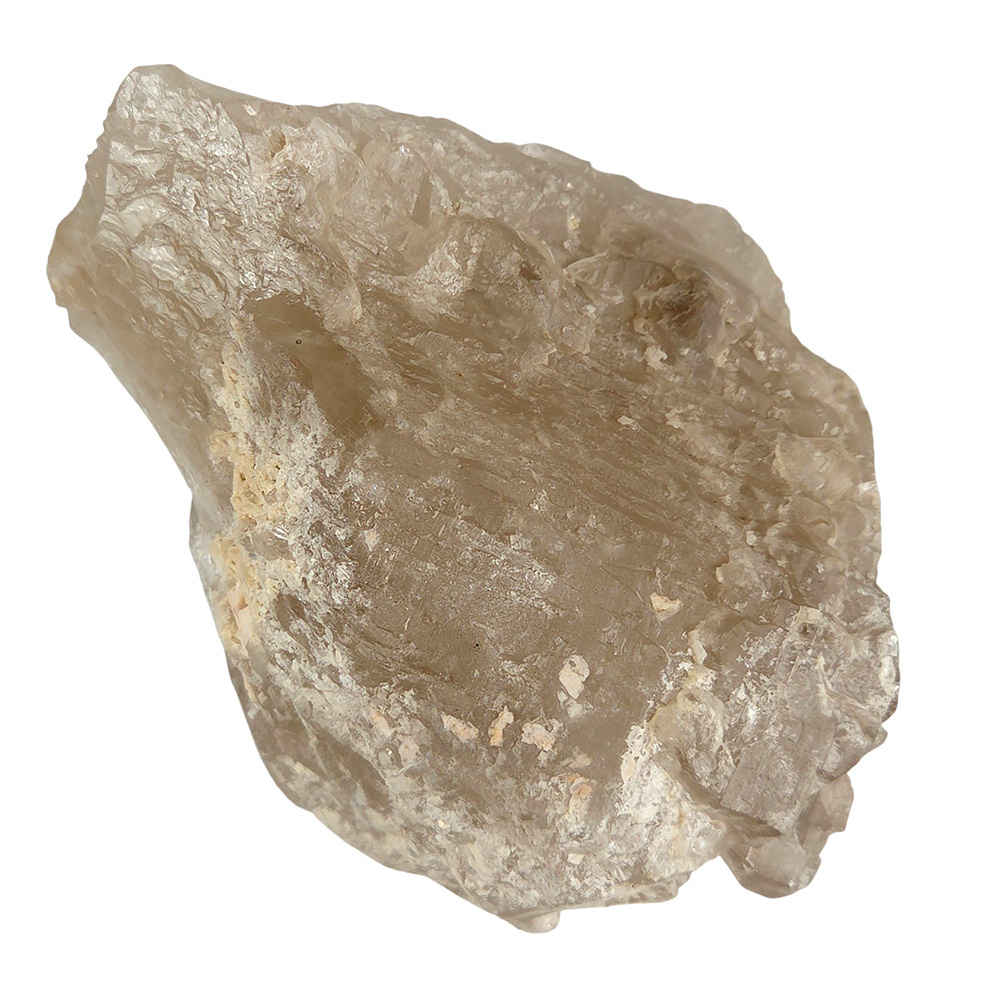
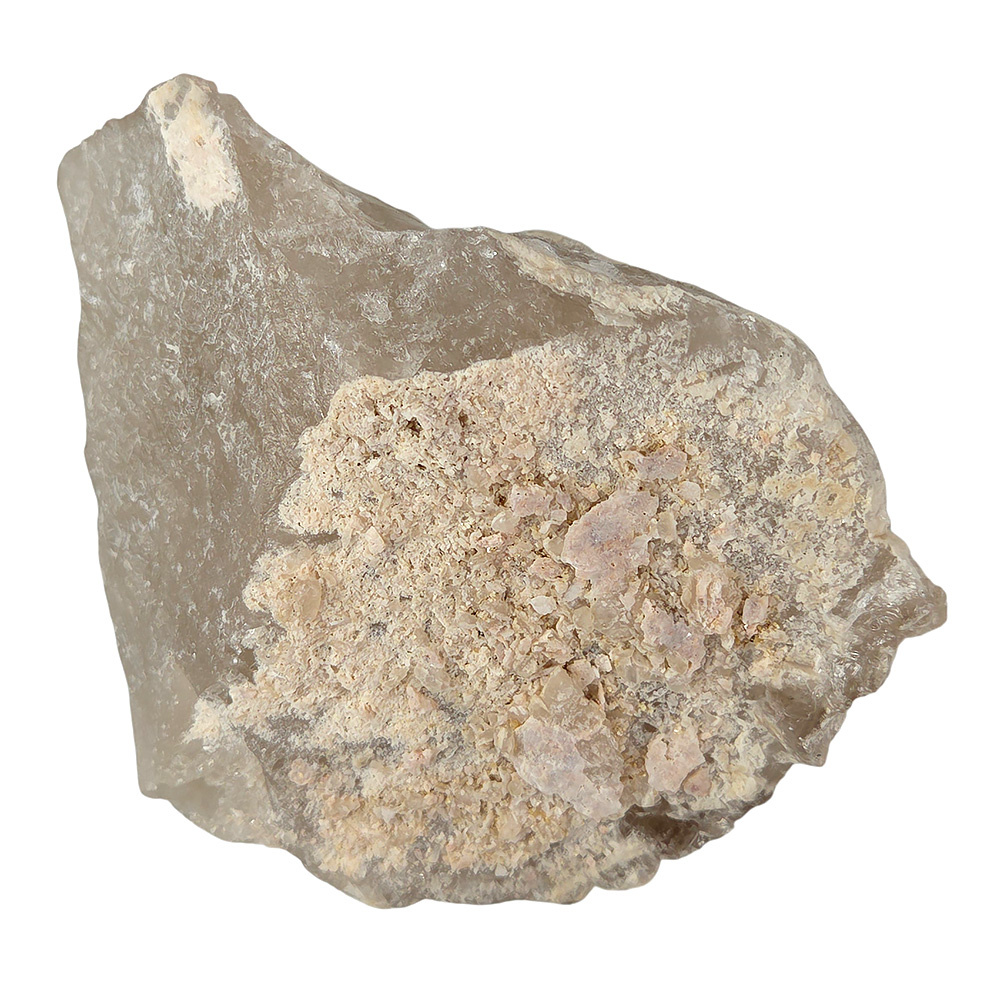
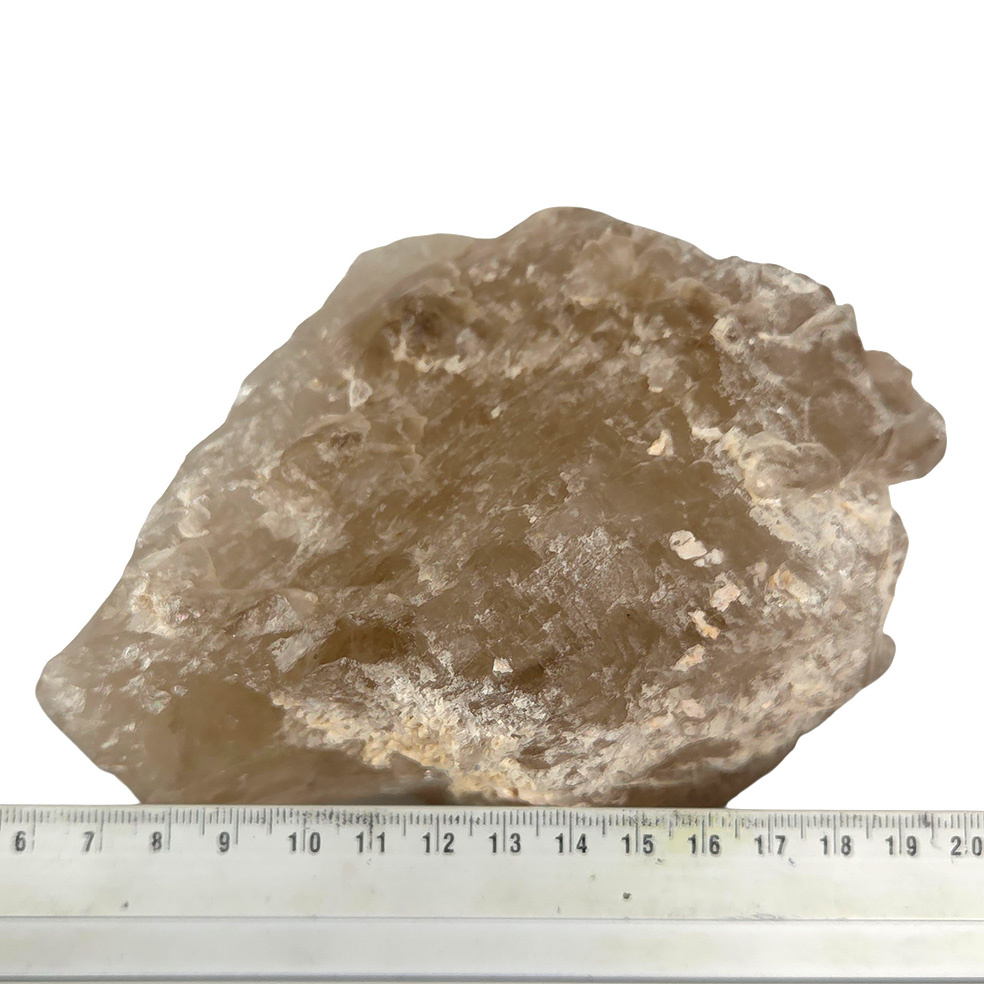
Smoky quartz from Brazil with elestial growth, also known as alligator quartz
Exceptional piece of smoky quartz from Brazil with elestial, stepped growth. This alligator quartz has a smoky color and a natural relief that is prized by collectors.
- Shipped within 24 hours
- Authenticity guaranteed
- Direct import
- Heeft u nog vragen? See our frequently asked questions
Origin, formation and sites
Smoky quartz is a variety of quartz composed of silicon dioxide. The smoky brown to grey-brown color arises because natural radiation in the Earth's crust has affected small amounts of aluminum in the crystal lattice. This gives smoky quartz its characteristic soft, smoky tint.
This piece exhibits elestial growth, also known as alligator quartz. In this type, the crystal does not grow as a single smooth point, but in stepped layers, small facets, and overlapping crystal structures. This creates a natural relief reminiscent of an alligator's skin. Such forms usually arise in cavities and fissures where quartz crystals were able to grow in stages.
Smoky quartz occurs in many places around the world. Important deposits are located in Brazil, Madagascar, Switzerland, Scotland, and the United States, among others. This specimen comes from Brazil, a country known for its wide variety of quartz crystals and well-formed mineral pieces.
History and naming
The name smoky quartz refers to the smoky, brownish-gray color of the crystal. In English, it is called smoky quartz. The term elestial is used for quartzes with a complex, stepped growth pattern. The nickname alligator quartz originated from the scale-like surface visible in some elestial quartzes.
Smoky quartz has been known for a long time and was used in various cultures for decorative objects, seals, beads, and cut stones. In Scotland, smoky quartz was historically incorporated into jewelry and ceremonial objects. Today, the combination of color, transparency, and unique crystal growth is particularly popular among mineral collectors.
Spiritual aspects
In spiritual and energetic traditions, smoky quartz is often associated with grounding, peace, and protection. Enthusiasts view the stone as a mineral that can help release tension and experience greater stability, without any medical effects being attributed to it.
Additionally, Elestial smoky quartz is often associated with transformation, inner growth, and deepening. Due to its layered structure, some people use this type of quartz during meditation, rituals, or personal reflection, where the shape of the crystal symbolizes development on multiple levels.
Interaction, care and safety
Smoky quartz has a hardness of 7 on the Mohs scale, making it relatively scratch-resistant. However, elastic crystal points, edges, and thin protrusions can be fragile. Therefore, place the piece stably and prevent bumps or drops. Preferably clean it with a dry or slightly damp soft cloth.
Avoid harsh cleaning agents, acids, and prolonged exposure to bright sunlight, as this may affect the color over time. The mineral is not intended to be placed in drinking water or used as a toy. Quartz dust must not be inhaled when breaking, grinding, or drilling.
Fun facts
- Elestial smoky quartz is also called alligator quartz because of its stepped, scale-like surface.
- The smoky brown color of smoky quartz is not caused by smoke, but by natural radiation and trace elements in the crystal.
- Brazil is one of the best-known countries of origin for quartz, including rock crystal, amethyst, citrine, and smoky quartz.
| Article code | RK209 |
| EAN | 8784765485846 |
Deep dark smoky quartz crystal sourced from Mount Malosa in Zomba, Malawi. The crystal has a natural intense dark colour...
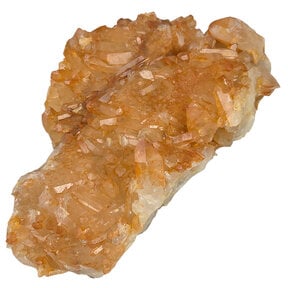
Tangerine quartz from Brazil, the crystal that will free the inner child in you.
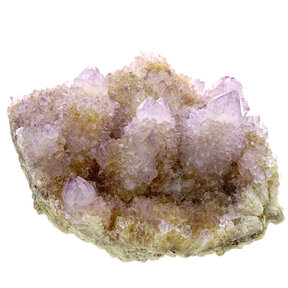
Beautiful cactus or spirit quartz consisting of amethyst crystals, found in South Africa. For positive energy and protec...
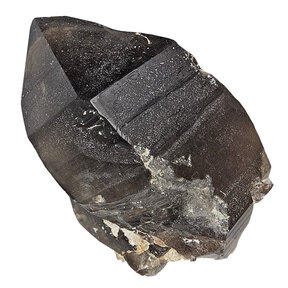
Deep dark smoky quartz crystal sourced from Mount Malosa in Zomba, Malawi. The crystal has a natural intense dark colour...
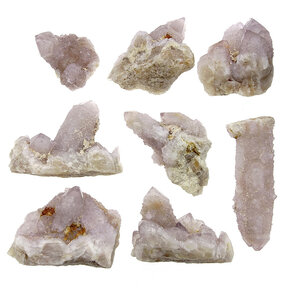
Beautiful cactus or spirit quartz consisting of amethyst crystals, found in South Africa. For positive energy and protec...
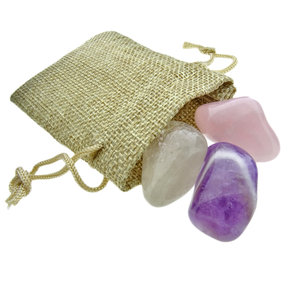
Golden triangle set consisting of amethyst, rose quartz and rock crystal. The golden triangle placed in the house is see...
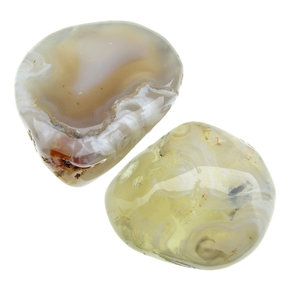
Water agate can contain liquid inclusions, which are very small and cannot be seen with the naked eye.
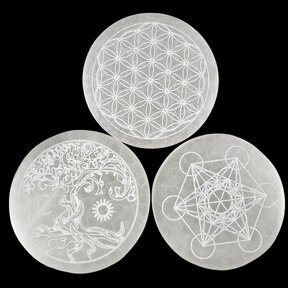
3 selenite charging discs with the motifs flower of life, tree of life and metatron. The discs have a diameter of 10 cm.
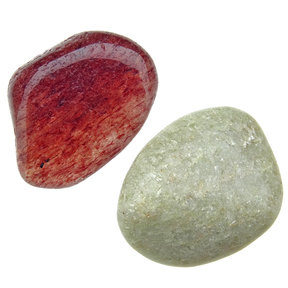
Aventurine is a quartz variant with various inclusions that give color to the stone. It is a calming stone and beloved m...
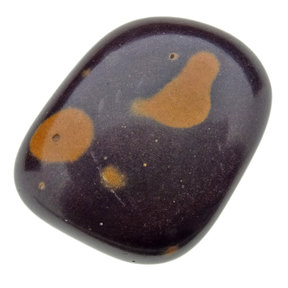
Beautiful Gila Jasper from Arizona USA. A powerful jasper species that will protect you during all forms of travel.