
Origin, formation and sites
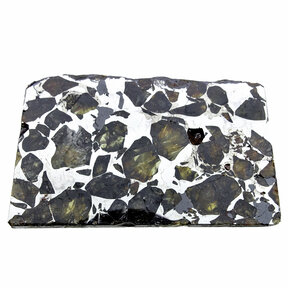
The Seymchan meteorite is an iron- and nickel-rich meteorite originating from the interior of an early planetary celestial body. Seymchan is currently classified as a pallasite: meteorites that can contain both metal and, in certain parts, olivine crystals. However, these pendants have been deliberately crafted from the metal-rich portion of the Seymchan meteorite in which no olivine is present.
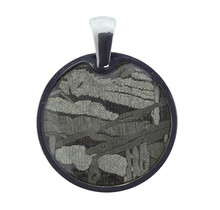
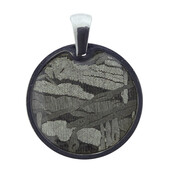
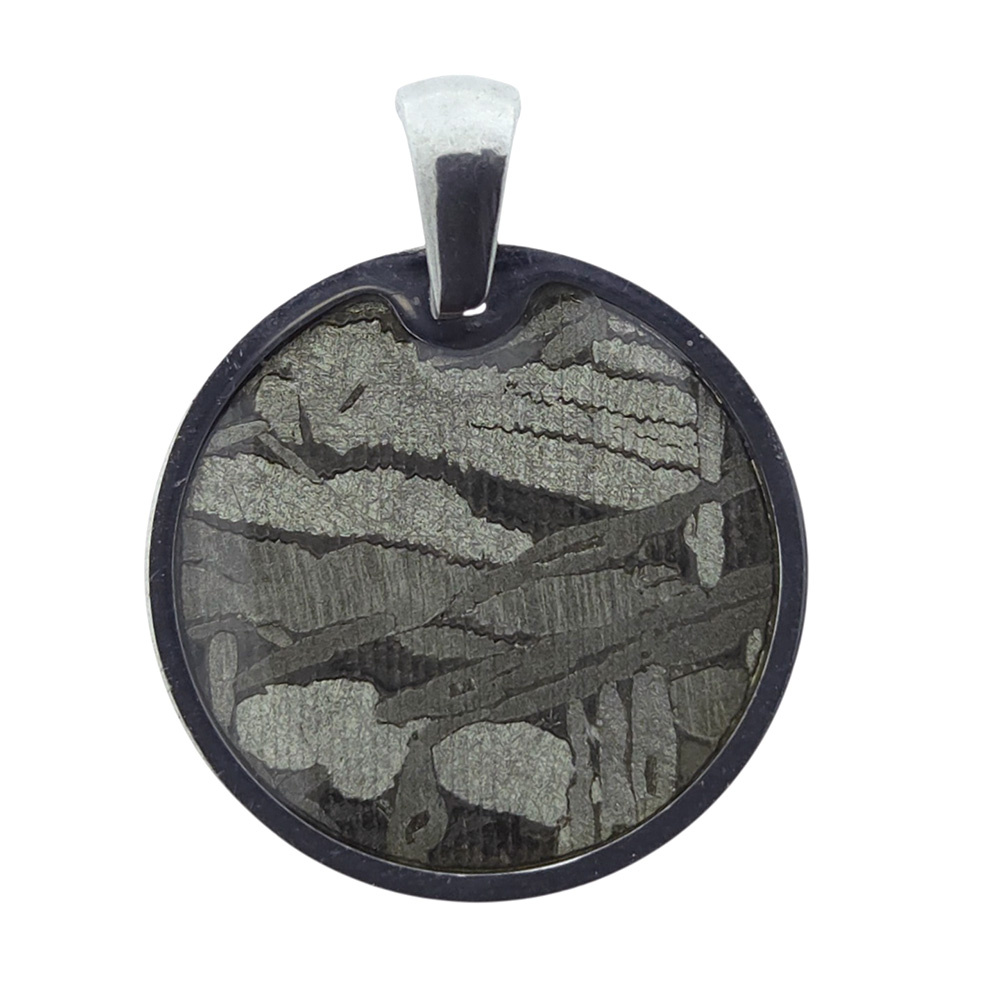
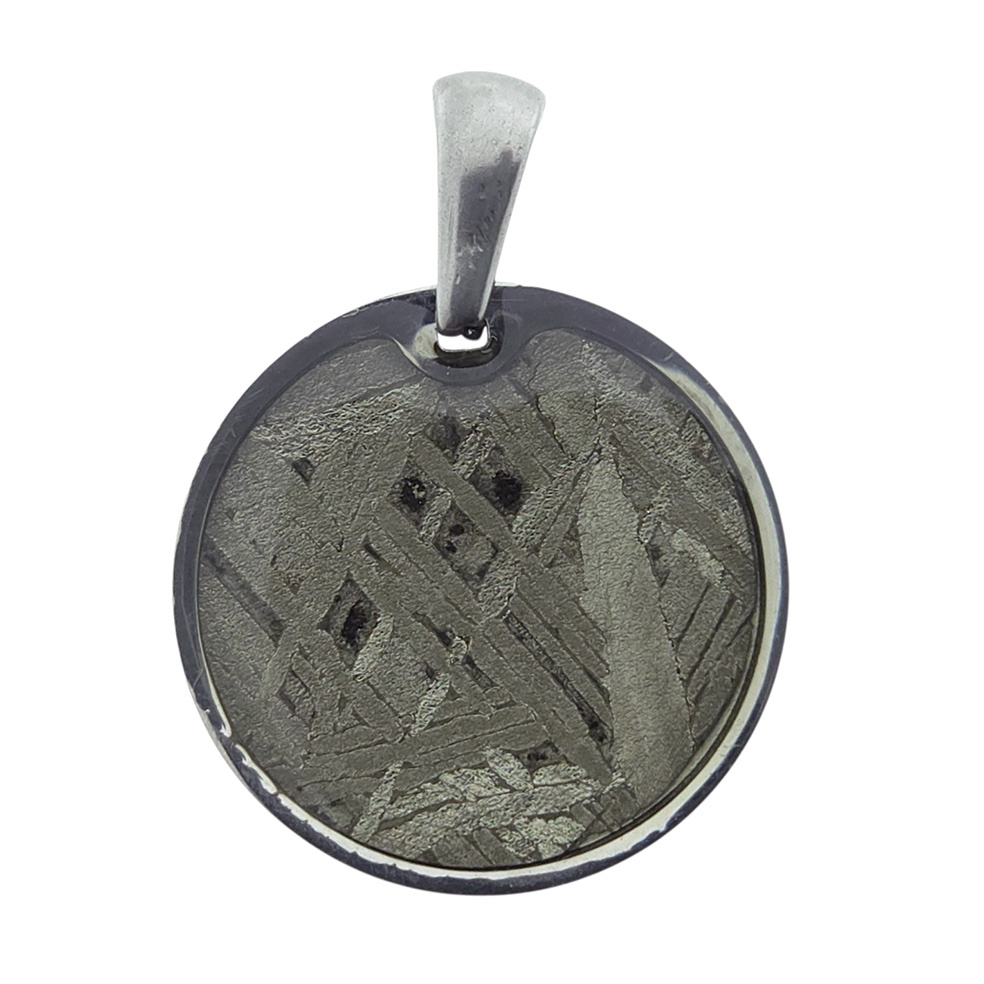
The material originated during the first stages of the formation of our solar system, approximately 4.5 billion years ago. In the original parent body, the iron-nickel material cooled slowly over a very long period. During this process, crystalline metal structures formed. After cutting, polishing, and etching, these can become visible as characteristic lines and faces, forming a unique pattern in every pendant.
Seymchan was found in the Russian Far East, in the Magadan Oblast in Siberia, near the town of Seymchan and the Hekandue River basin. The first known specimens were discovered in 1967. Later, additional masses were found in the same distribution area, including both olivine-rich and almost entirely metallic parts.
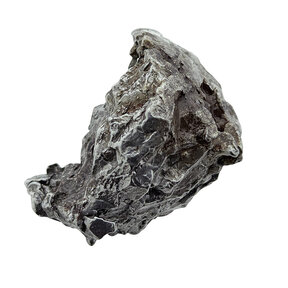
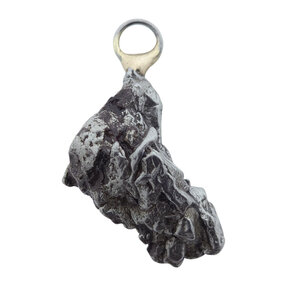
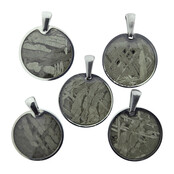
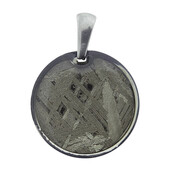
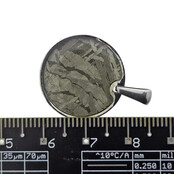
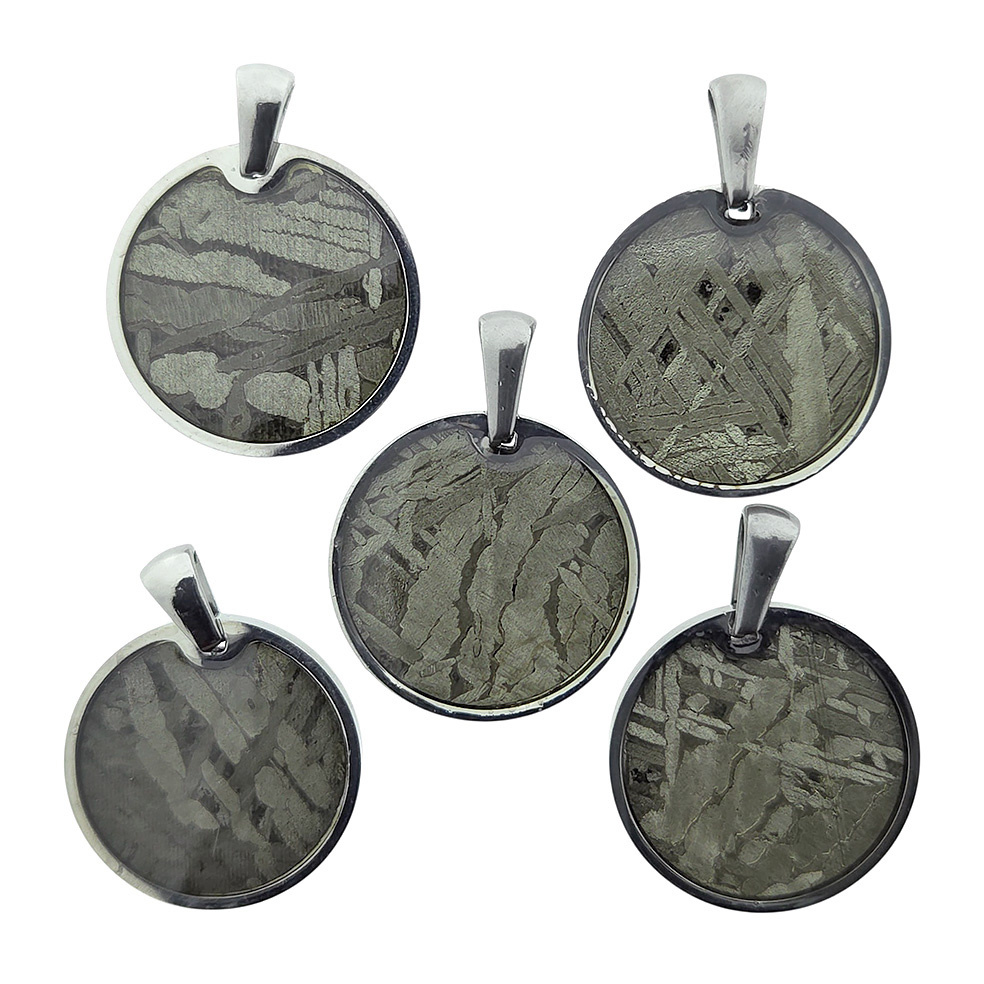
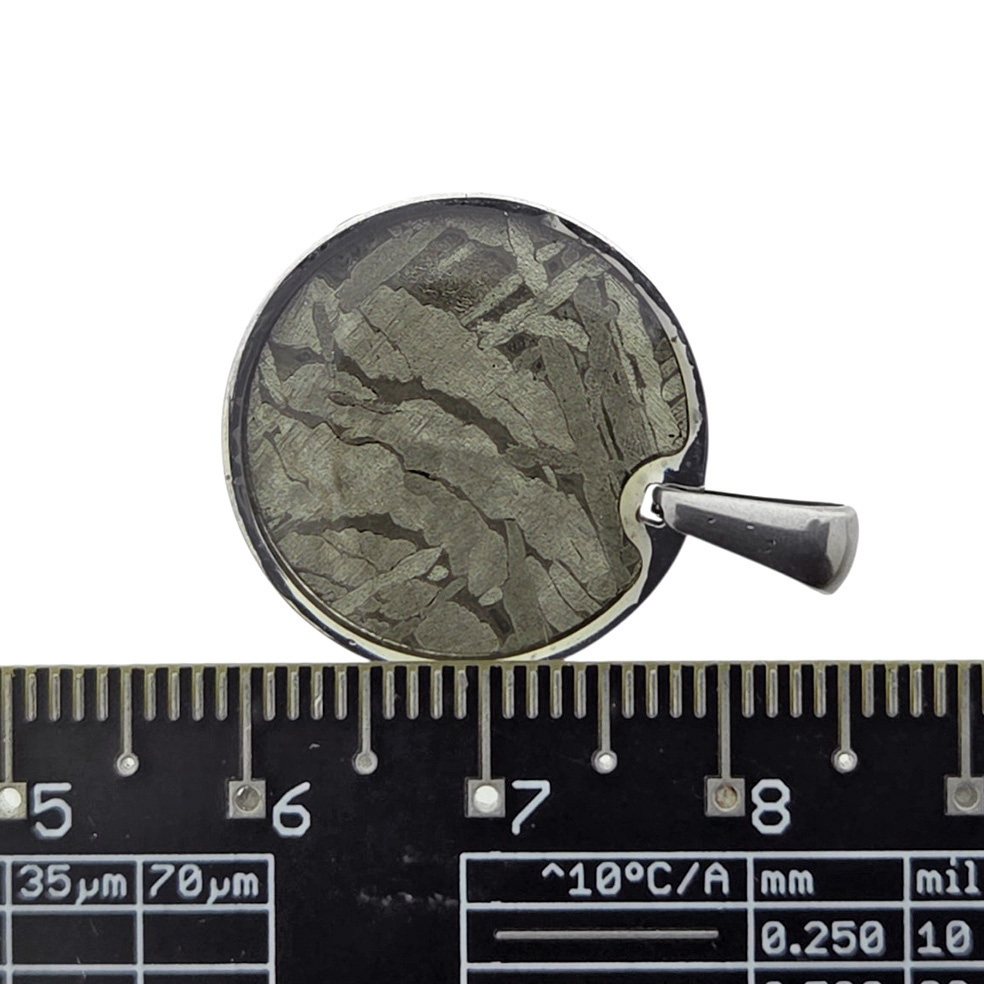
The photos accompanying this product serve as a reference. Because every cross-section of a meteorite displays a different natural pattern, you will receive a comparable Seymchan meteorite pendant of the same dimensions, but not necessarily exactly the one pictured. Differences in lines, color tones, and structure are normal and make each pendant unique.
History and naming
The name Seymchan refers to the region and the town of Seymchan in the Magadan Oblast in Russia, where the meteorite was found. As is customary with meteorites, the official name is linked to the geographical location of the find.
The first Seymchan masses were discovered in 1967 and initially described as iron meteorites. Later discoveries revealed that some parts contained striking olivine crystals. This made it clear that Seymchan belongs to the pallasites. It is remarkable that the material can vary greatly: some parts contain a lot of olivine, while other sections consist almost exclusively of iron-nickel metal.
For these pendants, specifically the olivine-free metal portion is used. After sawing and polishing, the surface is treated to make the natural crystal structure of the meteorite metal more visible. This creates the characteristic geometric pattern visible in the photos.
Interaction, care and safety
Seymchan consists largely of iron and nickel and should therefore preferably be kept dry. Prolonged contact with water, high humidity, perfume, cleaning agents, and perspiration can promote oxidation or discoloration of the meteorite surface. If necessary, gently clean the pendant with a dry, soft cloth and store it in a dry place.
Avoid abrasive polishes, acids, and harsh chemicals, as these can damage the etched surface and thus the visible pattern. If the pendant becomes damp while wearing it, it is advisable to dry it thoroughly afterwards.
Meteorite metal naturally contains nickel. People with a known nickel allergy or sensitivity to metals should therefore take into account possible skin contact. The material is intended as jewelry and a collector's item and is not suitable for use in drinking water, elixirs, or other solutions for internal use.
Fun facts
- Seymchan is special because within the same meteorite field, pieces with large olivine crystals as well as almost entirely metallic pieces without visible olivine are found. These pendants are made of the latter type of material.
- The patterns in the metal surface are not prints or engravings. They are related to the crystal structure of the iron-nickel material, which formed in the original celestial body during extremely slow cooling.
- Each cross-section has its own unique pattern of lines. Therefore, a delivered pendant may differ in pattern from the photos, while the shape and dimensions remain comparable.