
Teeth of the largest land predator that ever lived! The Spinosaurus. This dinosaur could grow up to 15 meters long! Read more.
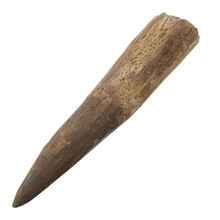
Teeth of the largest land predator that ever lived! The Spinosaurus. This dinosaur could grow up to 15 meters long!
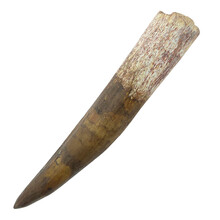
Teeth of the largest land predator that ever lived! The Spinosaurus. This dinosaur could grow up to 15 meters long!
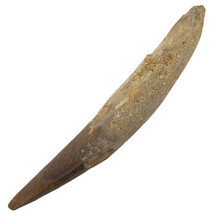
Teeth of the largest land predator that ever lived! The Spinosaurus. This dinosaur could grow up to 15 meters long!
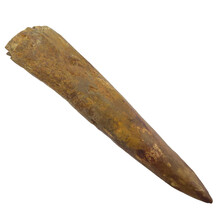
Teeth of the largest land predator that ever lived! The Spinosaurus. This dinosaur could grow up to 15 meters long!
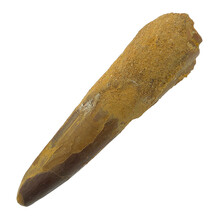
Teeth of the largest land predator that ever lived! The Spinosaurus. This dinosaur could grow up to 15 meters long!
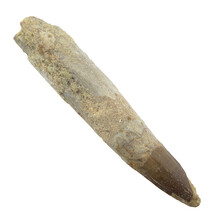
Teeth of the largest land predator that ever lived! The Spinosaurus. This dinosaur could grow up to 15 meters long!
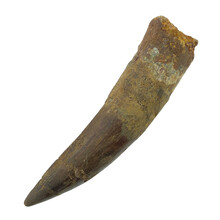
Teeth of the largest land predator that ever lived! The Spinosaurus. This dinosaur could grow up to 15 meters long!
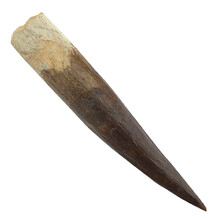
Teeth of the largest land predator that ever lived! The Spinosaurus. This dinosaur could grow up to 15 meters long!
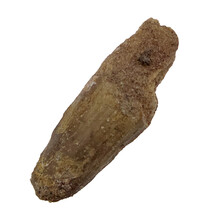
Teeth of the largest land predator that ever lived! The Spinosaurus. This dinosaur could grow up to 15 meters long!
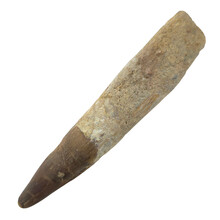
Teeth of the largest land predator that ever lived! The Spinosaurus. This dinosaur could grow up to 15 meters long!
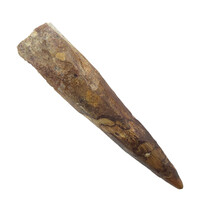
Teeth of the largest land predator that ever lived! The Spinosaurus. This dinosaur could grow up to 15 meters long!
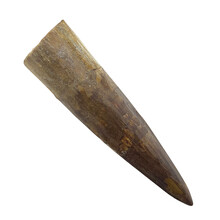
Teeth of the largest land predator that ever lived! The Spinosaurus. This dinosaur could grow up to 15 meters long!
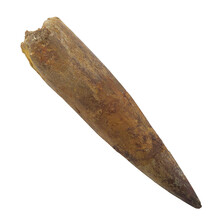
Teeth of the largest land predator that ever lived! The Spinosaurus. This dinosaur could grow up to 15 meters long!
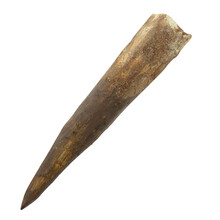
Teeth of the largest land predator that ever lived! The Spinosaurus. This dinosaur could grow up to 15 meters long!
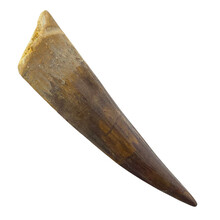
Teeth of the largest land predator that ever lived! The Spinosaurus. This dinosaur could grow up to 15 meters long!
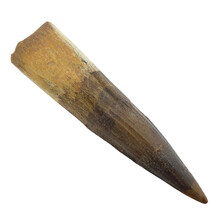
Teeth of the largest land predator that ever lived! The Spinosaurus. This dinosaur could grow up to 15 meters long!
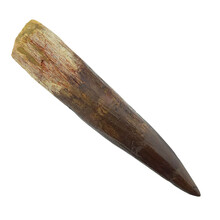
Teeth of the largest land predator that ever lived! The Spinosaurus. This dinosaur could grow up to 15 meters long!
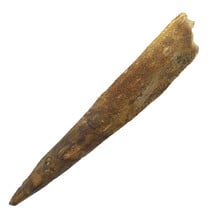
Teeth of the largest land predator that ever lived! The Spinosaurus. This dinosaur could grow up to 15 meters long!
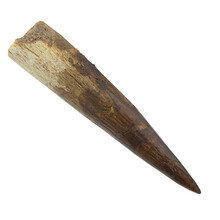
Teeth of the largest land predator that ever lived! The Spinosaurus. This dinosaur could grow up to 15 meters long!
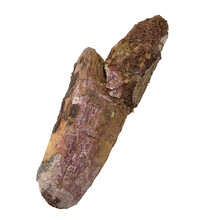
Teeth of the largest land predator that ever lived! The Spinosaurus. This dinosaur could grow up to 15 meters long!
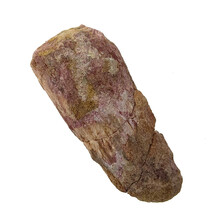
Teeth of the largest land predator that ever lived! The Spinosaurus. This dinosaur could grow up to 15 meters long!
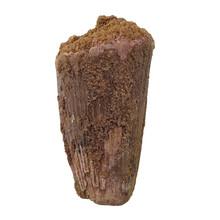
Teeth of the largest land predator that ever lived! The Spinosaurus. This dinosaur could grow up to 15 meters long!
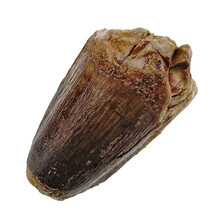
Teeth of the largest land predator that ever lived! The Spinosaur. This Dinosaur could be up to 15 meters long!
The Legendary Spinosaurus
When we think of the giants of prehistory, the Spinosaurus certainly comes to mind. This impressive creature, with its unique sail and powerful build, has left a lasting impression in the annals of paleontology.
The Discovery of a Giant
The first traces of the Spinosaurus were discovered in the deserts of Egypt, a place rich in historical treasures. These findings revealed a dinosaur that surpassed its contemporaries in size and strength. Its name, meaning 'thorny lizard', is a tribute to its most striking feature: a sail-shaped dorsal crest.
Distinguishing features of the Spinosaurus
In addition to its impressive sail, the Spinosaurus was equipped with sharp teeth and powerful jaws, ideal for catching fish. Its long, flexible body and crocodile-like snout suggest that it was a formidable hunter both on land and in water. Its nostrils were located further back, suggesting that it could keep its snout partially submerged while hunting.
The World of the Spinosaurus
The Spinosaurus's habitat was rich and diverse. Rivers and lakes were abundant, resulting in a plentiful supply of prey. Although it dominated the waters, it shared its terrestrial habitat with other imposing dinosaurs, such as the Carcharodontosaurus, making the Cretaceous an era of true titans.
The Teeth of the Spinosaurus
The teeth of the Spinosaurus are long, sharp, and conical. These teeth were perfectly designed for catching slippery fish. They were not only functional but also terrifying. These teeth, often longer than those of other predators of its time, were a clear sign of its dominance in its habitat. They served as a powerful weapon, allowing the Spinosaurus to effectively seize and hold its prey.
Kem Kem: A Treasure Trove of Fossils
The Kem Kem Formation in Morocco is a true treasure trove for paleontologists. This rich geological formation has yielded an abundance of fossil remains, including the coveted teeth of the Spinosaurus. The discovery of these teeth in Kem Kem has provided scientists with valuable insights into the diet, hunting habits, and lifestyle of this prehistoric giant. Furthermore, the diversity of fossils in this region offers a unique window into the Cretaceous ecosystem, in which the Spinosaurus played a central role.
Myths and Reality
Over the years, the Spinosaurus has been the subject of many myths and speculations. Some stories suggest battles between Spinosaurus and other large predators such as the Tyrannosaurus rex. While these stories are fascinating, fossil finds remind us that these creatures lived in different times and places. It is also important to note that the Spinosaurus, despite its size, was probably not the fastest hunter, but rather a patient and cunning predator.
Interaction, care and safety
The pointed shape of this tooth clearly shows its purpose: grasping and holding prey. The beak of Spinosaurus is often compared to that of modern crocodiles, which fits well with the idea that it hunted extensively in and around water. Teeth like these are sturdy, but they remain fossils and must therefore be handled with care.
Many fossil teeth are not found completely intact. This is quite normal for fossils from old sediment layers. During excavation and preparation, it frequently becomes apparent that a tooth consists of multiple parts. Such specimens are therefore prepared and, where necessary, restored, for example by neatly gluing fracture surfaces back together. This is a common and accepted method of preservation within the fossil world.
It is recommended to store the tooth in a stable place and not to drop it. Cleaning is best done carefully and dry, for example with a soft brush. These fossils are not intended as toys for small children, partly due to the pointed shape and the fragility of the material.
Conclusion: An Eternal Fascination
The Spinosaurus, with its unique features and dominant presence, remains a source of fascination and admiration. As scientists continue to unravel its secrets, the legend of this prehistoric giant remains alive in our imagination. Its adaptations to a semi-aquatic lifestyle and its distinctive appearance make it one of the most intriguing dinosaurs in history.


